Project PREM-UNFPA: ICPD25 & Transformative Action
People’s Rural Education Movement (PREM), in partnership with the UNFPA Odisha office, is actively engaged in the ICPD25 Nairobi commitments program of action. This initiative is a core part of UNFPA India’s 10th country program (2023-2027). The primary goal is to achieve Three Transformative Results among indigenous communities:
Project PREM-UNFPA: ICPD25 & Transformative Action
People’s Rural Education Movement (PREM), in partnership with the UNFPA Odisha office, is actively engaged in the ICPD25 Nairobi commitments program of action. This initiative is a core part of UNFPA India’s 10th country program (2023-2027). The primary goal is to achieve Three Transformative Results among indigenous communities:
Project PREM-UNFPA: ICPD25 & Transformative Action
People’s Rural Education Movement (PREM), in partnership with the UNFPA Odisha office, is actively engaged in the ICPD25 Nairobi commitments program of action. This initiative is a core part of UNFPA India’s 10th country program (2023-2027). The primary goal is to achieve Three Transformative Results among indigenous communities:
Project PREM-UNFPA: ICPD25 & Transformative Action
People’s Rural Education Movement (PREM), in partnership with the UNFPA Odisha office, is actively engaged in the ICPD25 Nairobi commitments program of action. This initiative is a core part of UNFPA India’s 10th country program (2023-2027). The primary goal is to achieve Three Transformative Results among indigenous communities:
About the Project
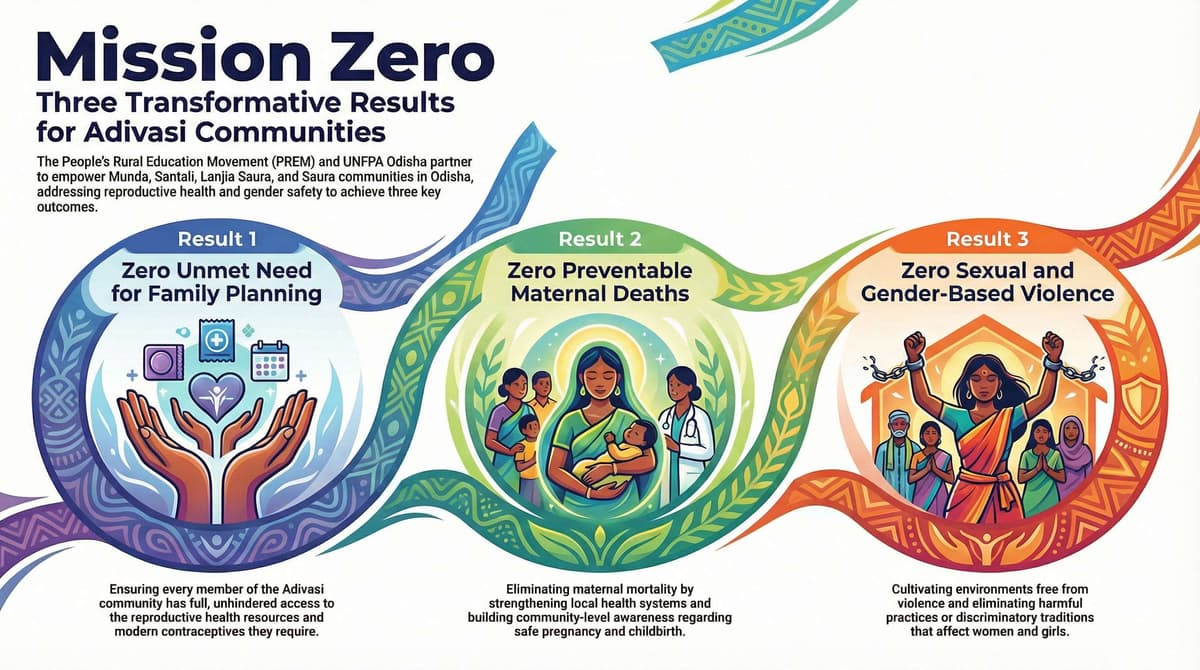
People’s Rural Education Movement (PREM), in partnership with UNFPA, Odisha office, is engaged in the ICPD25 Nairobi commitments program of action to achieve the three transformative results among 4 indigenous communities spread across 3 districts of Odisha: Munda, Santali (Mayurbhanj), Lanjia Saura (Gajapati) and Saura (Rayagada). The three transformative results- the core of UNFPA India’s 10th country program (2023-2027), comprise the following: • Zero unmet need for family planning • Zero preventable maternal deaths • Zero sexual and gender-based violence and harmful practices Focus Areas: Sexual & Reproductive Health (SRHR), Gender-Based Violence (GBV), Tribal Development, Disaster Risk Reduction Target Demographics: 4 Indigenous Communities (Munda, Santali, Lanjia Saura, Saura) Operational Area: Mayurbhanj, Gajapati, and Rayagada Districts (Odisha)
Key Information
Status
Active
Partners
United Nations Population Fund (UNFPA) Odisha, PREM
Locations
Mayurbhanj, Gajapati, and Rayagada Districts (Odisha)
Category
Health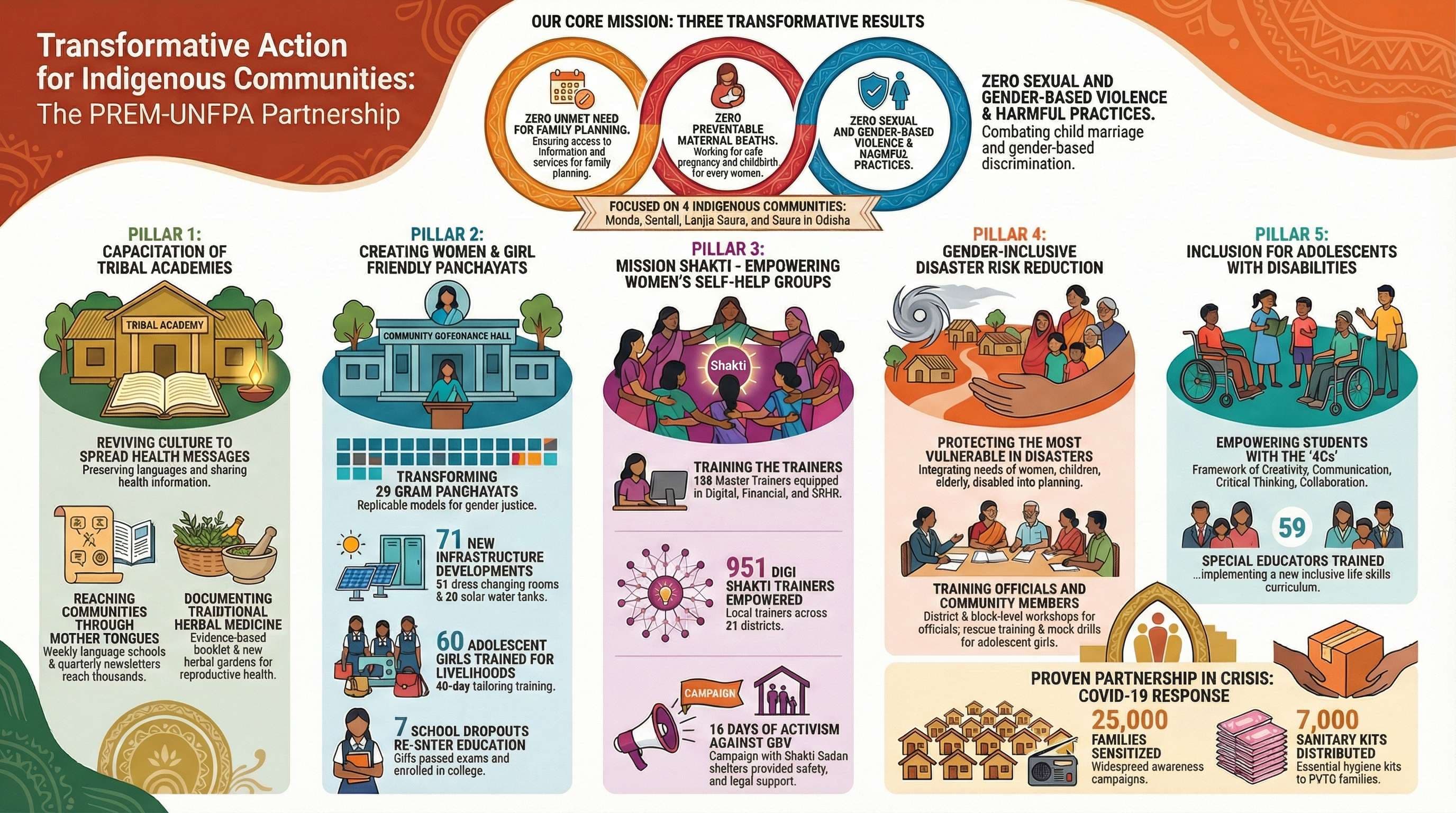
The strategic direction to realise the expected results are as follows:
1. Capacitation of the Tribal Academies
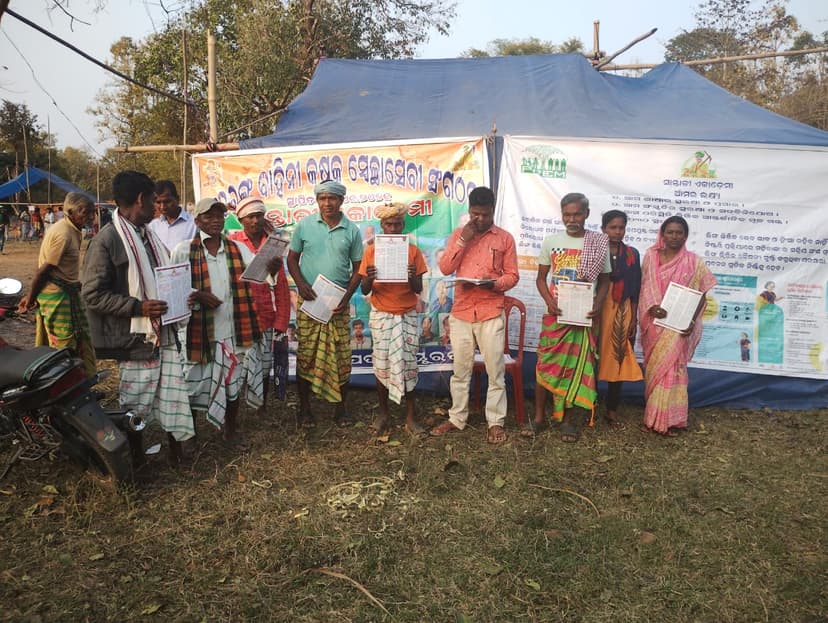
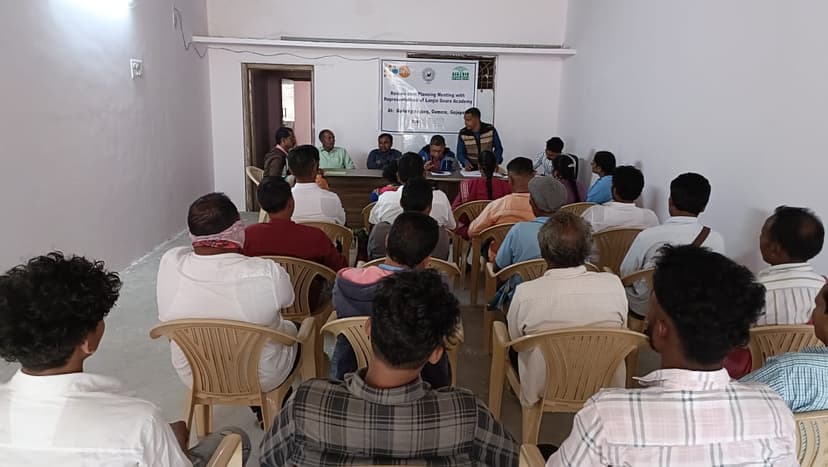
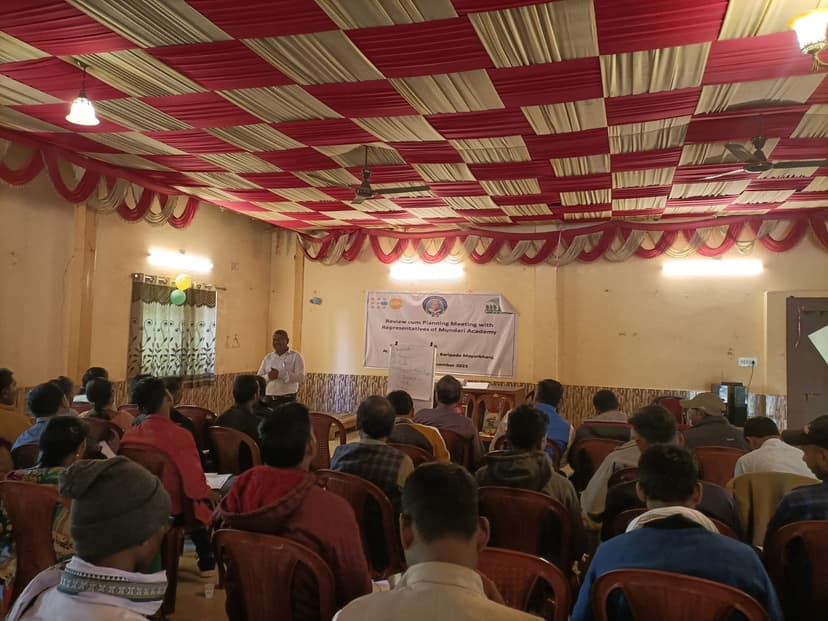
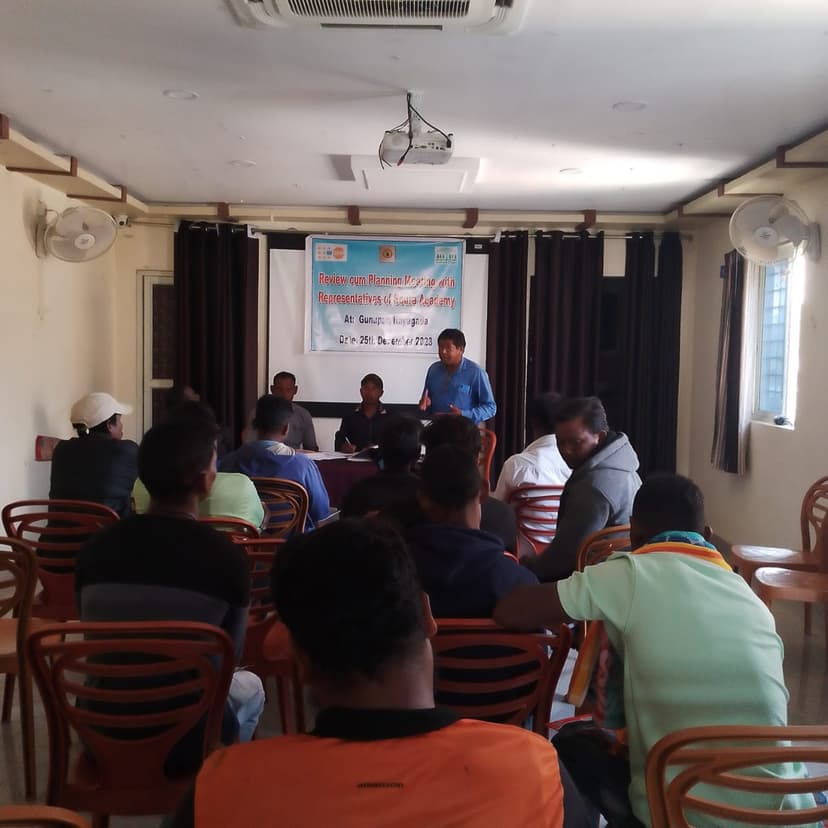
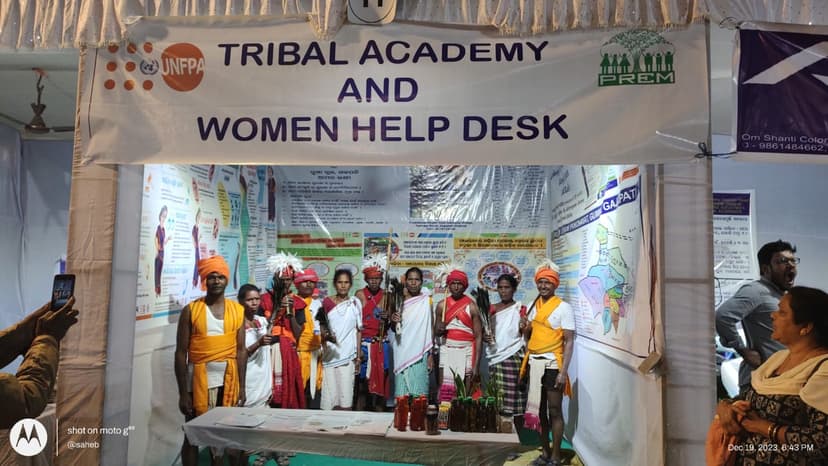
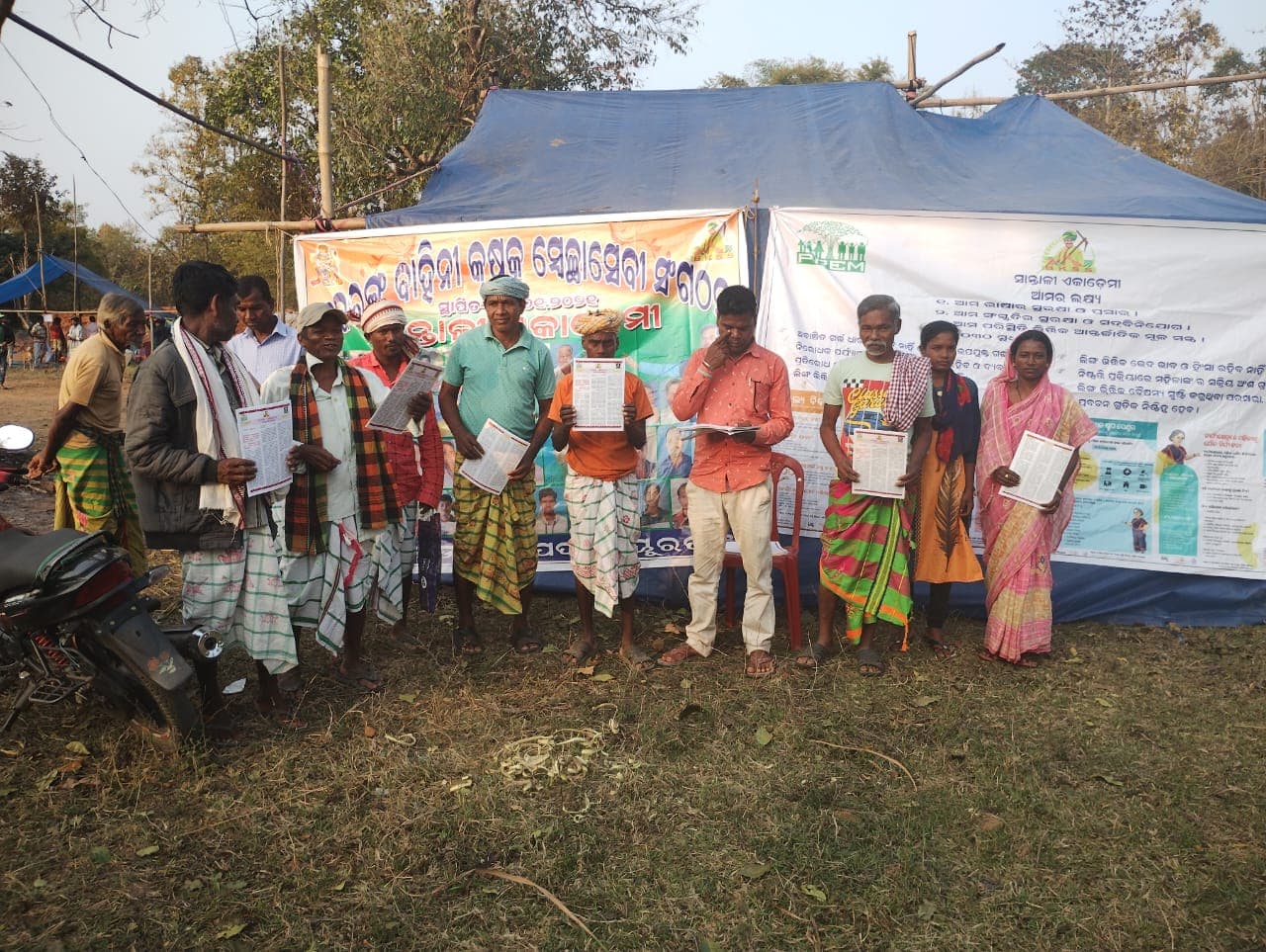
As integral wings of the PREM-promoted Odisha Adivasi Manch, tribal academies serve as learning hubs for the all-inclusive development of the Adivasi communities. PREM got them formally registered; their offices are now well-furnished and equipped with learning materials to build consciousness of the ICPD mandate and relevant schemes.
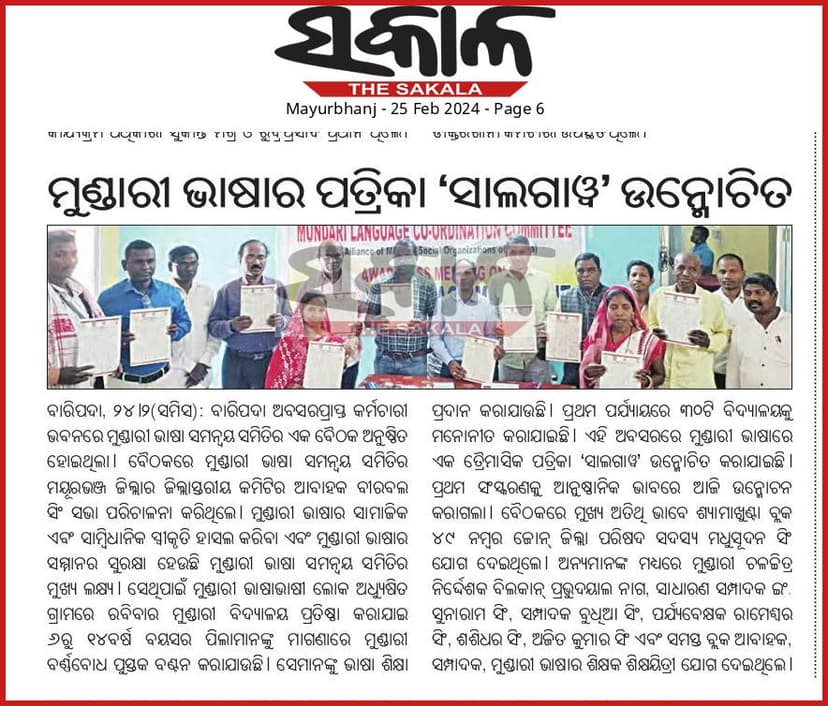
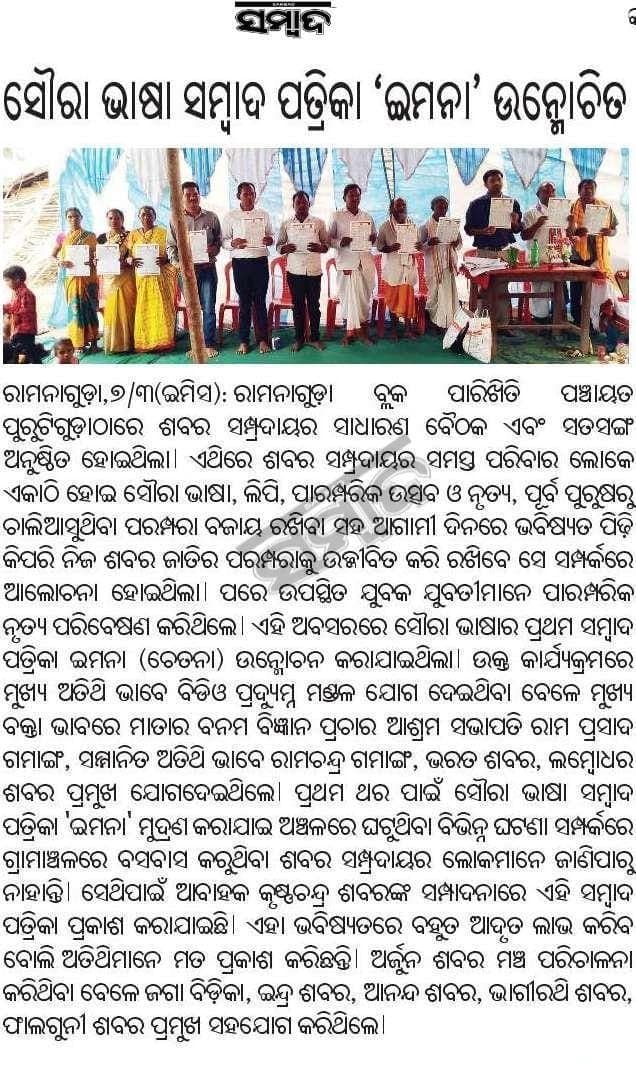
Reviving and preserving tribal cultural legacies and languages, at risk of extinction, while disseminating messages from the ICPD mandate, are now their foremost priorities. They have deployed weekly language schools and quarterly newsletters in their respective mother tongues as channels of communication.
The academies and the editorial boards have been fully trained on the components of an article, segregation of duties, roles and responsibilities of various stakeholders, as well as the details of digital plat forms and digital communication. Consequently, the culturally ingrained, ICPD mandate-based Newsletters now reach thousands of their own community members living elsewhere in distant cities and states.
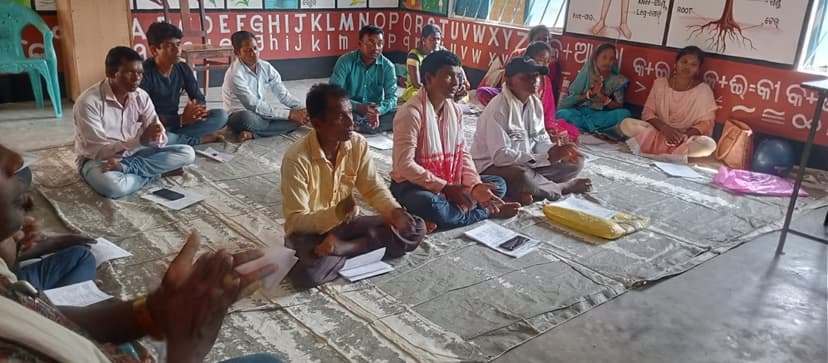
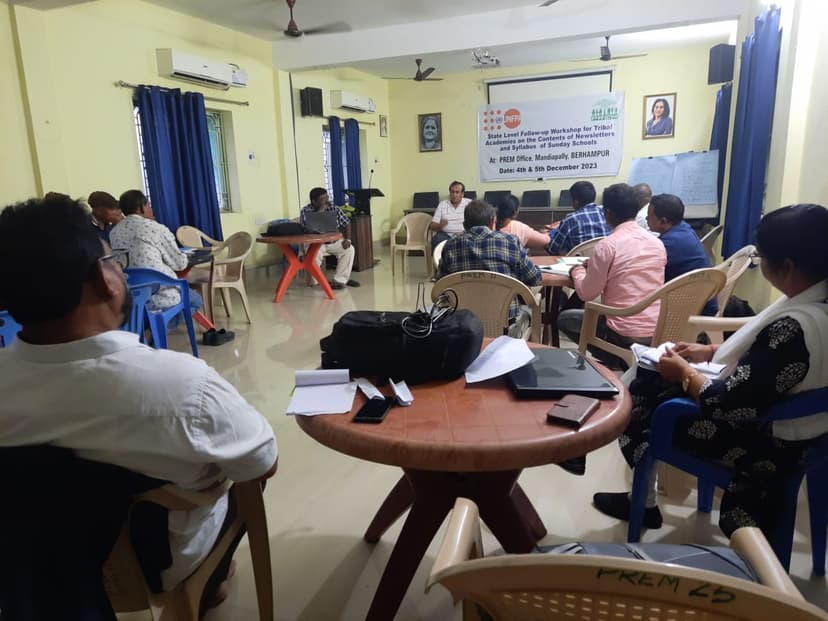
Over a recently held two days’ workshop, participants engaged deeply with the purpose of their language schools, reflected on community cultures and needs, and collaborated to create a simple and practical syllabus framework that aligns cultural identity with contemporary development themes and the ICPD mandate.
A booklet on the traditional herbal medicinal practices-structured, evidence based, systematic, and attuned to women’s SRHR, and modern contraceptives is being developed through a series of workshops. The academies have started developing herbal gardens in selected Panchayat headquarters.
Membership drives for enrolment into the academies are in full swing; the membership fees structure has been introduced as well for self-sufficiency. The academies celebrate days of national and cultural significance and hold health-and other issue-related awareness camps and campaigns. They are on an expeditious mode of operation, a shift from their previous wait-and-see approach and dependent functioning.
2.Women & Girl Friendly Panchayat:
Under the initiative, PREM is deeply involved in shaping at least 29-gram panchayats from Gajapati district into replicable models by building awareness among PRIs regarding legal provisions, rights and entitlements of women and adolescent girls, the systems of operation and the approach to ending harmful practices and promotion of democratic leadership.
The specific issues, addressed under the program, embrace child marriage, adolescent pregnancy, dropping out of schools, gender-based discrimination and violence, and other related structural barriers. Effective participation in all the decision-making processes, including Pally Sabha and Gram Sabha, and integrating gender perspectives into the constitution and functioning of GP level Standing Committees, form part of the core endeavor under the program.
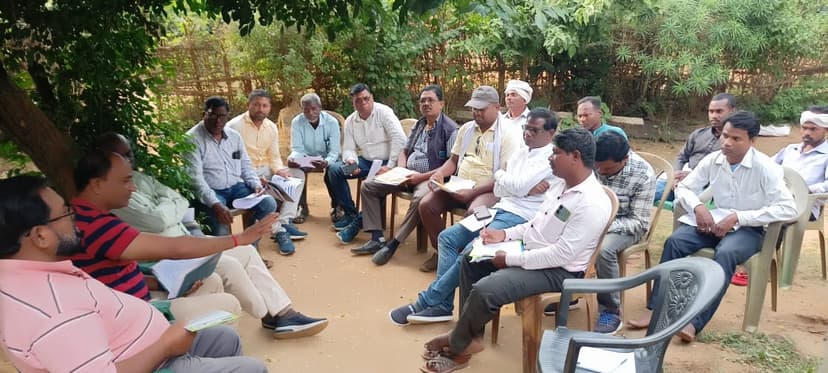
Activities and achievements: Panchayat and block level workshops, review meetings, observation of days of significance for women and training of the PRIs and officials are some of the essential activities implemented. 130 stakeholders from 19 Gram Panchayats, who participated in the three recently held one-day GP-level refresher-cum-review meetings in November 2025, reported on far reaching progress. Gram Sabhas, the 4th standing committees and women’s help desks actively addressed women’s issues and needs in schools and Anganwadies through various infrastructural developments including construction and repair of school walls, new dress changing rooms (51) and solar water tanks installations (20). Action plans in Palli Sabhas and Gram Sabhas have been integrated into the Gram Panchayat Development Plans and reviewed during monthly Gram panchayat meetings. Besides, sixty adolescent girls received a 40-day long tailoring training under a Central Government initiative through Jana Shiksha Sansthan for self-sustaining livelihood. Seven girls who had dropped out of school were motivated to return, passed the exam held by the Indira Gandhi National Open School and have now joined college. One of them is a married woman, providing a spectacular example of the program’s success. The participants of the review meetings developed Action plans based on inputs given to them regarding “Gram Panchayat Development Plan (GPDP)” and the “Panchayat Advancement Index (PAI)” to ensure more effective practice.
3.Mission Shakti
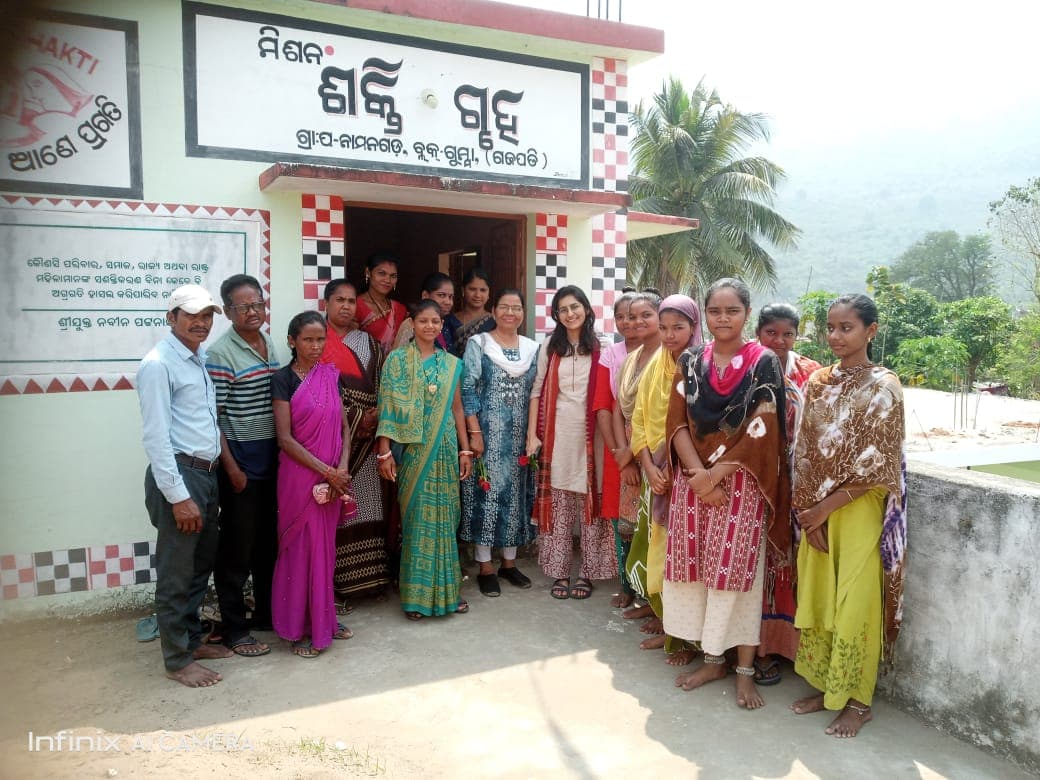
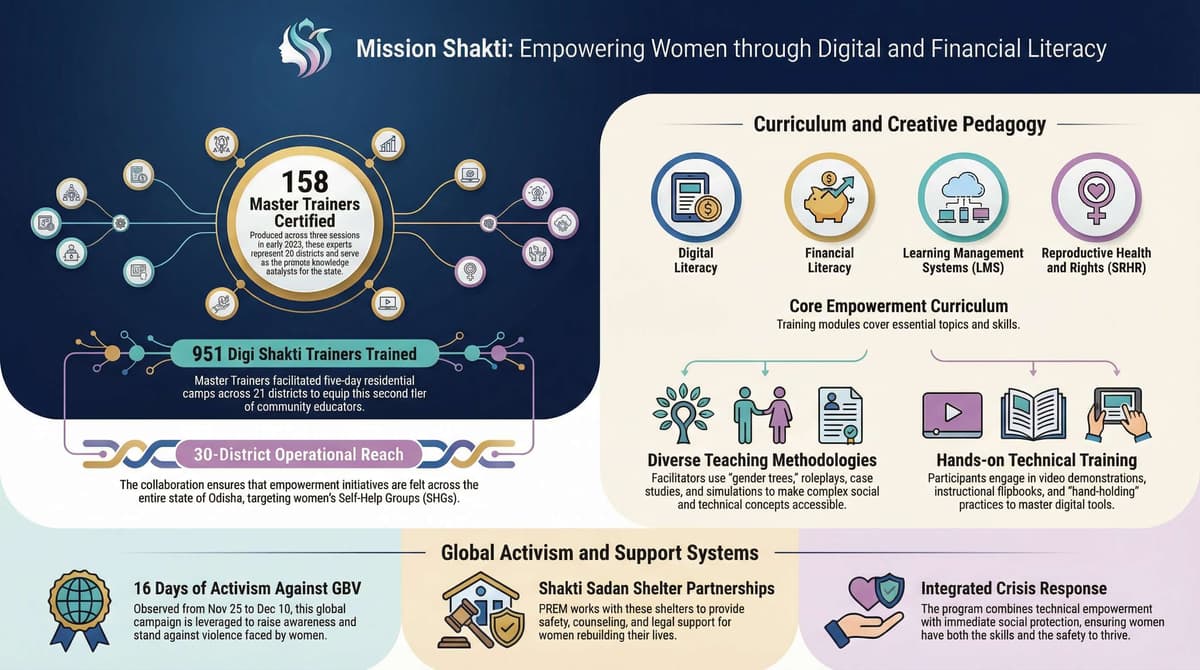
The overall objective of Mission Shakti is SRHR, information and digital skill-based empowerment of Self-Help Groups in the 30 districts of Odisha state.
Achievement of the year:
a. Training of Master Trainers & Digi Shakti trainers: PREM in collaboration with UNFPA, Odisha office and the department of Mission Shakti, Odisha, conducted three master trainers’ training, under the project entitled “Social Empowerment of Women through the Women’s Self-Help Groups of Mission Shakti, Odisha”, within the first couple of months of 2025. Digi Shakti trainers ‘training camps were held across 26 districts over the course of the year.
The programs deployed diverse teaching methodologies, which served also as part of learning for the trainees
and they encompass hands-on activities, gender tree, roleplays, case studies, video demonstrations, instructional
flipbooks, hand holding practices, quiz tests, recaps, group exercises, games, simulations and so many such
relevant pedagogical techniques.
Departmental officials like the collector, DPC, DSWO, CDO Cum EO and so on lit the lamps and inaugurated the
training programs customarily paving the way for the designed transactions to take place. The technical sessions
dealt with Digital Literacy, Financial Literacy, The Learning Management System (LMS) app, Gender Based Violence
and Reproductive Health and Rights (SRHR).
As the outcomes of the two training programs, 158 master trainers hailing from 26 districts came out equipped
with necessary knowledge, skills, training methodologies and attitude to impart training to the Digi shakti trainers
in turn; 951 Digi Shakti Trainers successfully completed the five-day-long residential training camps held for them
across 21 districts of Odisha state.
b. Action against GBV
A campaign entitled “16 Days of Activism Against Gender-Based Violence,” was observed from 25 November to 10 December, 2025 as a global call to stand against the violence faced by women and girls. In Odisha, the Department of Women and Child Development (W&CD), with support from UNFPA, worked closely with NGOs running around 68 Shakti Sadan shelters, which provide safety, counselling, legal support, healthcare, and a path for women and children to rebuild their lives. The Shakti Sadan shelters too participated in the campaign.
4. Mainstreaming Gender & Inclusion in Disaster Risk Reduction
Integrating gender into Disaster Risk Reduction (DRR) activities is inevitable to address the unique needs of marginalized groups—such as women, children, the elderly, and people with disabilities—during disaster preparedness, response, and recovery/rescue operation to ensure effective and equitable disaster management. The objectives behind, include among others, increasing Women’s Voice and visibility,
14 |
Keeping these in view, district-Level and block level workshops were held on Gender-Inclusive DRR by the Odisha State Disaster Management Authority (OSDMA) in collaboration with UNFPA Odisha and PREM to orient district and block officials, PRI representatives on integrating gender perspectives into DRR strategies. Skill building training and mock drills were conducted for Adolescent girls of some Panchayats for rescue operations, counselling and responding emergencies. A National Workshop on Advancing Gender and Social Inclusion in Disaster Risk Reduction Governance, organized by OSDMA from 19th till 20th November 2025 at Hotel Welcome by ITC, Bhubaneswar, facilitated shared learning, meaningful exchange, and the co-creation of strategies to strengthen gender equality and social inclusion within disaster risk reduction (DRR) governance systems in India.
The series of workshops and trainings have significantly advanced the understanding of gender mainstreaming in DRR among officials and communities. The initiatives emphasized inclusivity, targeted vulnerabilities, and promoted gender equity in disaster preparedness and response strategies. The commitment to building resilient and inclusive communities was reaffirmed through collaborative discussions and actionable recommendations, setting a robust foundation for future interventions.
5. Empowering adolescents with disabilities and elderly citizens
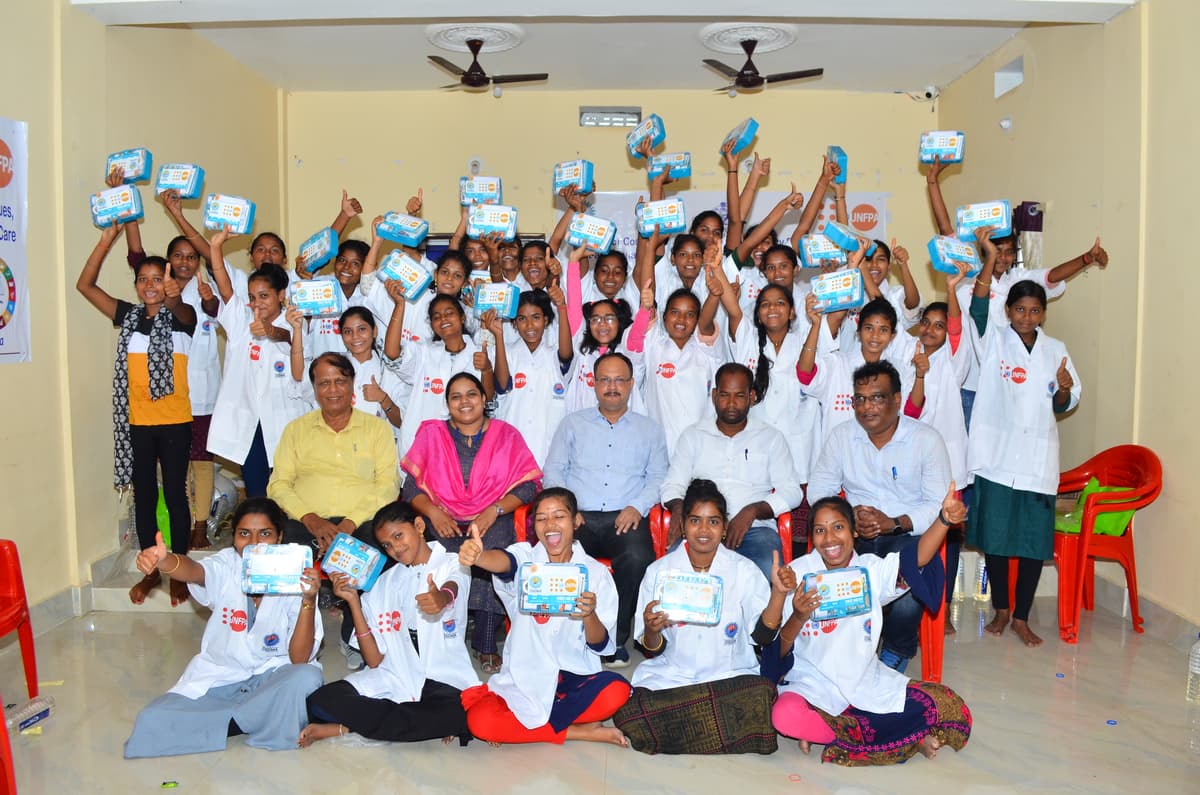
There has been a collaborative effort of SSEPD, UNFPA and PREM to empower the adolescents with disabilities based on an inclusive development approach that helps them reach their full potential by means of appropriate tools, opportunities, and support in alignment with SDGs 1, 2, 3, and 4. The Key areas and projects of work with them include
10 |
A program entitled ‘Sensitization Workshop for Headmasters and Headmistresses of Special Schools, Enabling Inclusion and Empowerment in Special Schools was organised by the Department of SSEPD in collaboration with UNFPA and PREM on the 4th November 2025; the program impacted enhanced understanding of institutional responsibilities and of adolescent developmental needs of children with disabilities, and the critical leadership role of HMs in creating inclusive, safe, and empowering school cultures. The framework of the 4Cs - Creativity, Communication, Critical Thinking, and Collaboration, was introduced as a means of strengthening life skills among adolescents with disabilities.
Project Gallery