Model Village Initiative
Creating model villages is one of the dream projects of PREM. Creating model village is not a one man or one day job, it take times and needs involvement of many stakeholders especially community people.
Our Vision for Model Villages
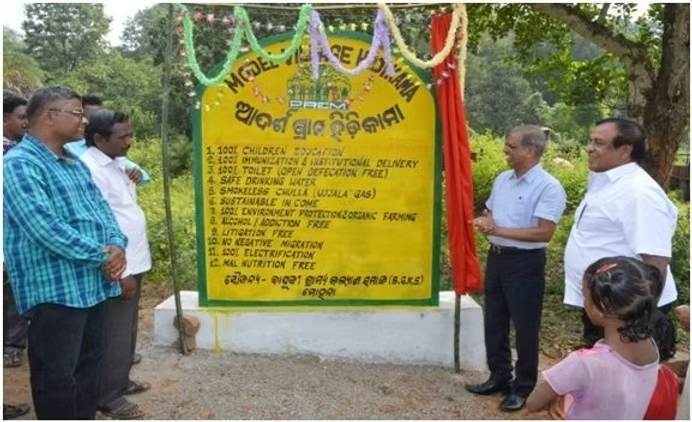
10 COMMANDMENTS OF MODEL VILLAGE
- 100% enrollment & attendance of children in Anganwadi (Child Development Centre)
- 100% enrollment & attendance of children in Schools
- 100% Immunization and zero Malnutrition
- 12 months food security in each family
- Income 1.2 to 1.5 Lakh per annum in each family and saving
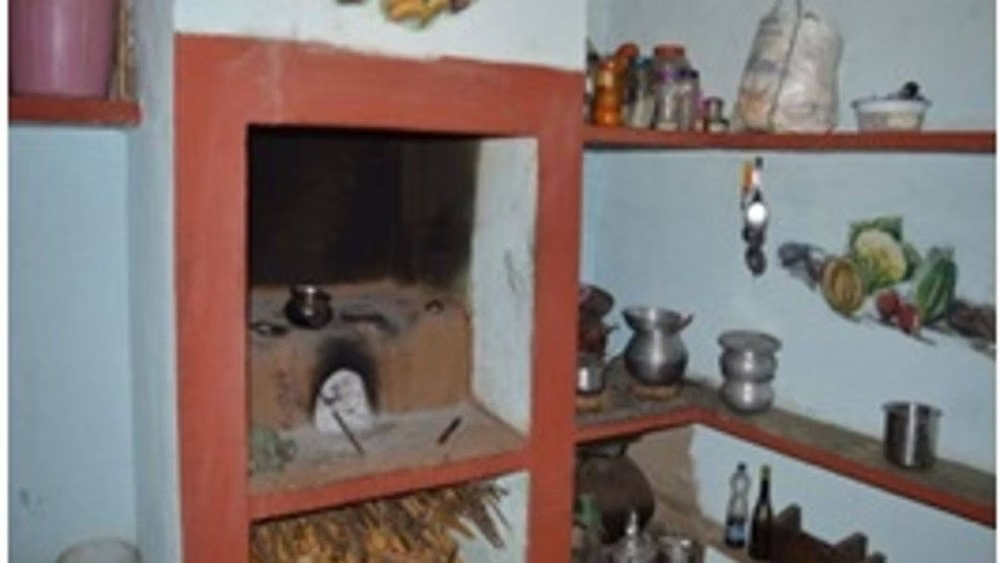
- 100% toilet with usage, housing and smokeless chulla
- 100% safe drinking water
- Litigation free village
- Alcohol free village
- Zero Migration (No Negative Migration)
If the village will achieve above 10 indicators then the village will be declared as a model village.
Case Studies: Villages in Transformation
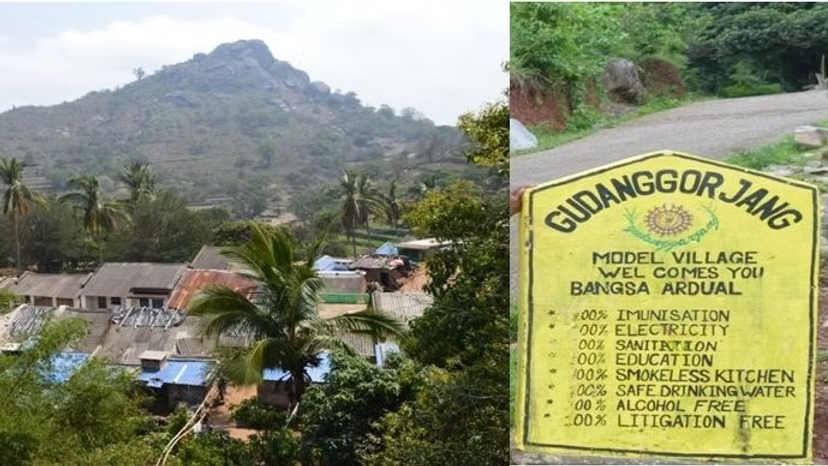
1. Case Study of Model Village GudangGorjang, Gajapati
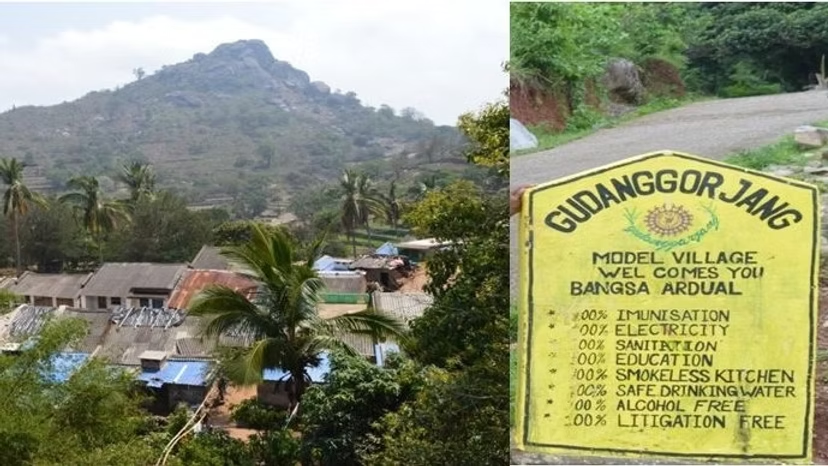
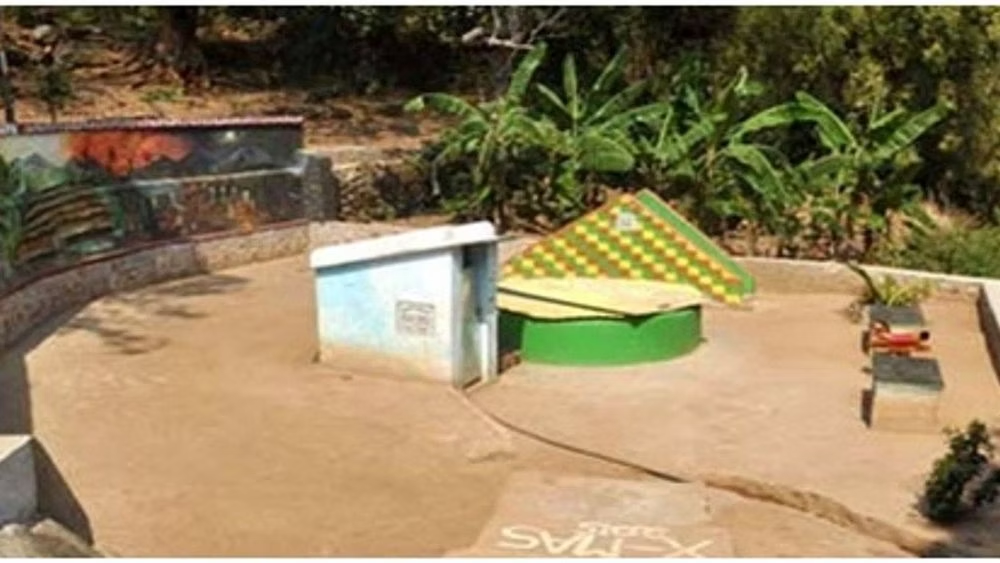
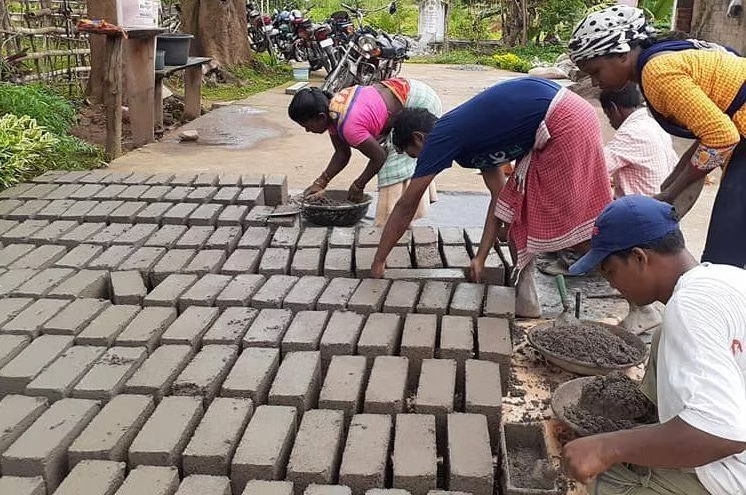
GudangGorjang is a well known Model Village among the rural development enthusiast’s map in the southern part of Gajapati District in Odisha State, India. The village over a hill is located at Bhuban Gram Panchayat of Gumma Block. It is inhabited by 54 families with a population of 274, which includes 141 males and 133 females. All the families have their own toilets, smoke free kitchens, electrified brick houses and hold ration cards to procure essential food items distributed under the government’s public distribution system. The village has three open wells, one overhead tank, one tube well, two petty shops and a community hall.
Though the villagers are engaged in traditional paddy cultivation, they also grow millets, vegetables and manage plantations. Their farm lands mainly adopt terrace cultivation methods for irrigation. Some of them practice vocations such as masonry and carpentry during non-agricultural seasons.
Peoples Rural Education Movement (PREM) intervened in development initiatives of GudangGorjang during 2000 through a child sponsorship programme. PREM revisited to strengthen Self Help Groups for womens’ empowerment culminating into building up GudangGorjang as a Model Village, with the support and guidance of Axis Bank Foundation. It houses Five SHGs Sagarika Sakti, Babilon, Mali, Chilika and Micky, each one having around 10 members. Each member of the group saves Rs 100 every month. All the SHGs engage themselves in the seasonal business of trading ginger, turmeric, tamarind and broom. While Babilon has adopted poultry, Mali adopted goatery and Micky adopted mushroom cultivation as group level business plans.
The villagers of GudangGorjang traditionally produce various types of agricultural products. While the main produce includes paddy and ragi, they also harvest pulses such as harad, blackgram, kangu and jana. Cash crops include cashew, coffee, pepper, amla, ginger and turmeric. Horticultural produce include tamarind, jackfruit, mango, banana, orange, pineapple, lemon, coconut, guava and custard apple. They collect forest produce, mahua, karanja and bamboo. They cultivate vegetables: onion, carrot, brinjal, radish, beterguard, tomato, beans, long beans, pumkin, potato, ladies finger, chilly and gourd etc.
Ideal health practices are being adopted in GudangGorjang. All families have access to safe drinking water, use of toilets and are familiar with hand washing habits. Kitchens for every family are fitted with smokeless cooking devices. Everyone uses mosquito nets and the whole village premises is cleaned once a week engaging the community. Pregnant women and children are duly immunized. Women and adolescent girls use sanitary napkins prepared by themselves. There are two government run Anganwadi centres functional in the village. All the children are admitted to Anganwadi centre or school. An upper
primary school is situated at a distance of one kilometre. While a total number of 16 students are pursuing English medium school education living in hostels, 5 students including 3 girls and 2 boys have been admitted to college education. There are no drop-out students and education of girls is given priority.
The villagers of GudangGorjang take efforts to tap benefits offered by various government programmes with support of the development activists of PREM. While 50 villagers have procured job cards for engagement under government sponsored guaranteed employment scheme, 12 persons availed of old age pension, 5 persons widow pension and 4 persons disabled pension offered by the government.
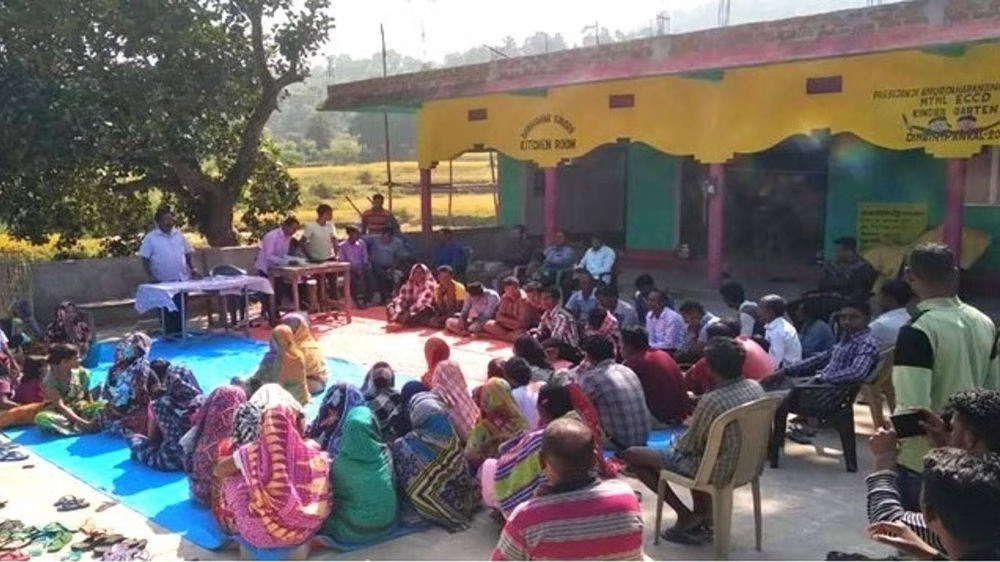
The villagers practice traditional tribal philosophy of ‘Entra’ and ‘Ampu’. ‘Entra’ empowers the people to live without any outside help, the community creates resources for its own consumption. ‘Ampu’ promotes a life of harmony, unity, cooperation and dignity. The old, sick and disabled in the village are taken care of by the community. There have been no litigations in the village for over the past 20 years. ‘Ampu’ development committee looks after the common services in the village.
Peoples Participation and Contribution
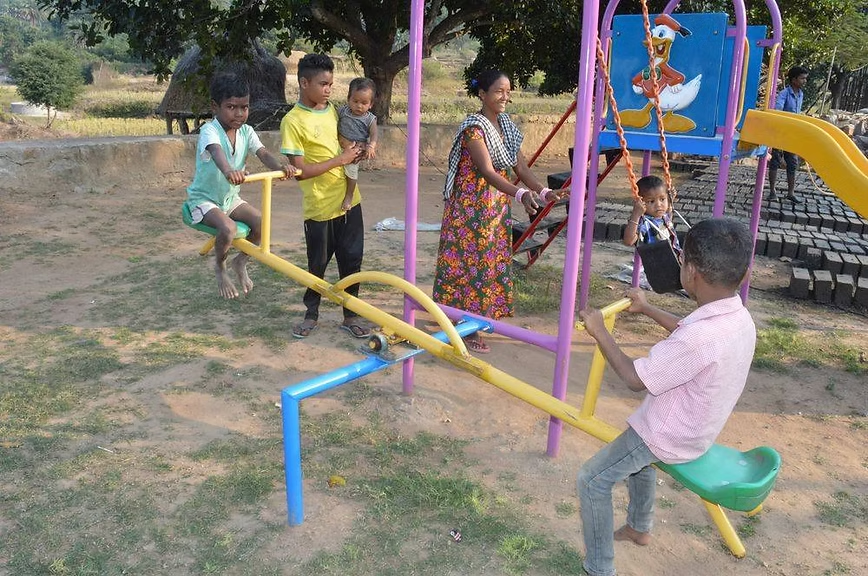
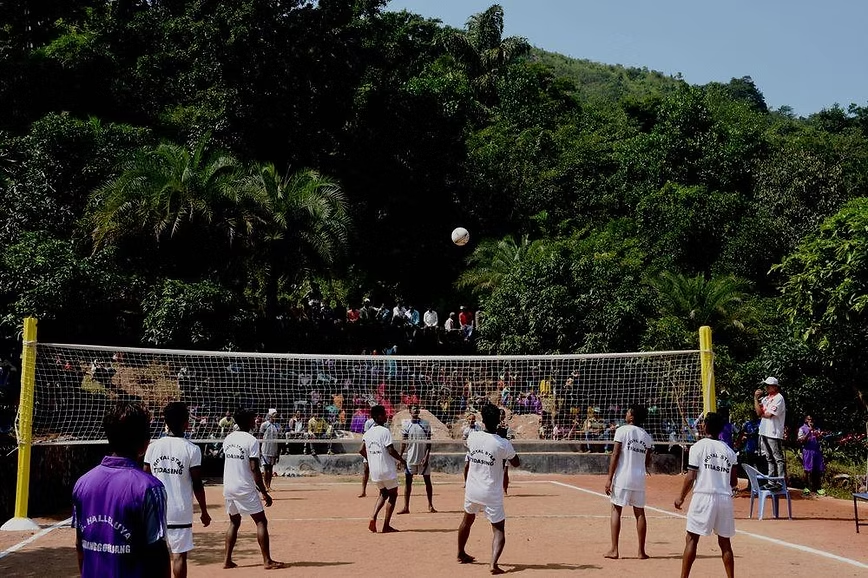
Mini Stadium: OLMOL stadium of Gudanggorjang has become a major attraction of all the neighboring villages too. It ensures better participation of the youth in integral community development. The fact that the land for the major infrastructure like children's park, community house, community kitchen and the mini stadium was donated by the people shows that people take full ownership of community development.
Visitors Feedback:
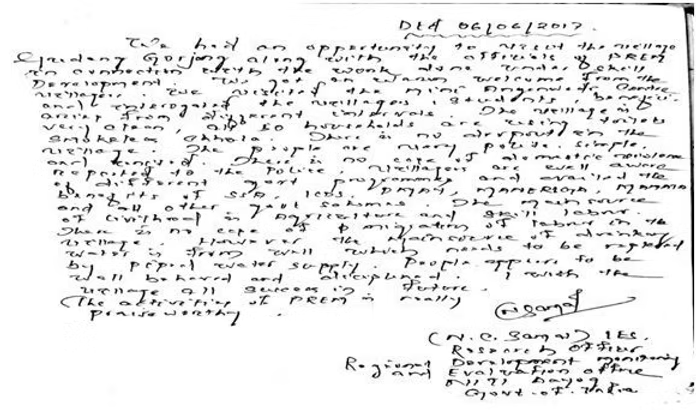
Visit report: NITI Aayog team from New Delhi
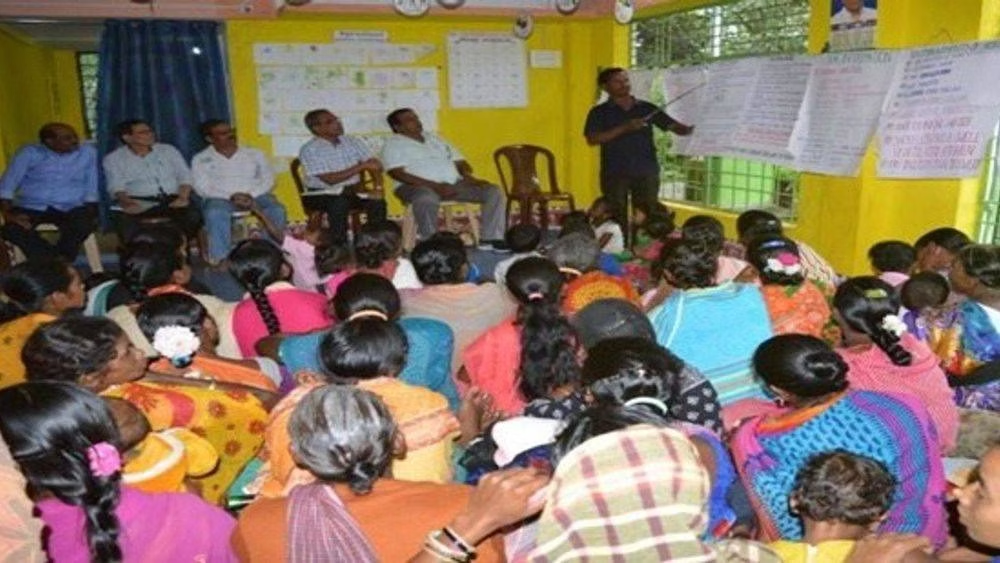
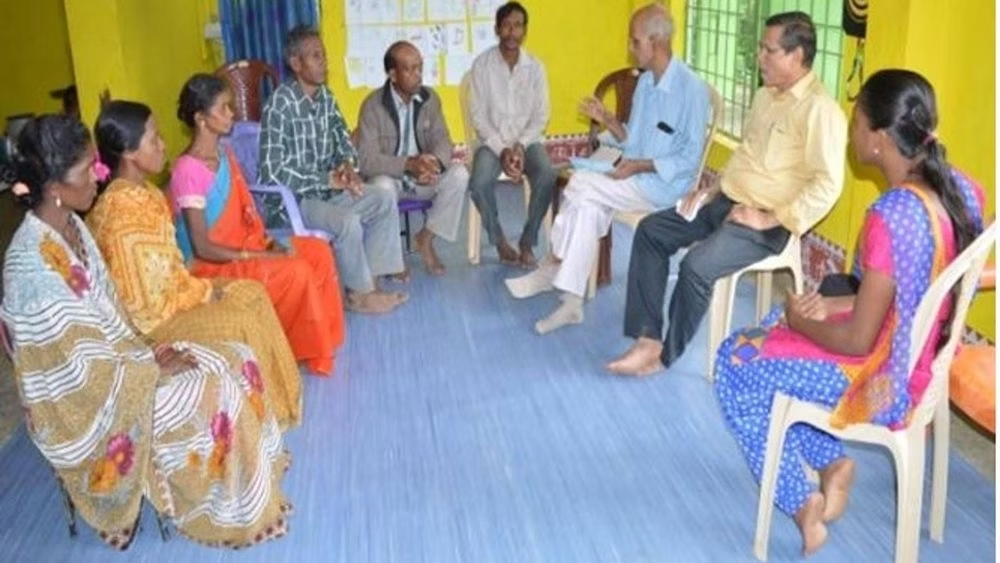
We had an opportunity to visit the village Gudang Gorjang along with the officials of PREM in connection with the work done under skill development. We got a warm welcome from the villagers. We visited the Mini Anganwadi centre and integrated the villagers, students, beneficiaries from different intervals. The village is very clean; all 50 households are using toilets, smokeless chulhas. There is no dropout in the village. The people are very polite, simple and united. There is no case of domestic violence reported to the police. Villagers are well aware of different government. programmes and availed the benefits of SSA, ICDS, PMAY, MGNREGA, MAMATA and all other govt schemes. The main source of livelihood is agriculture and skilled labour. There is no case of migration of labour in the village. However the main source of drinking water is from well which needs to be replaced by piped water supply. People appear to be well behaved and disciplined. I wish the villagers all success in future. (The activities of PREM are really praiseworthy).
2. Case Study of Model Village Hidikama, Gajapati
Hidikama village under Adava Gram Panchayat of Mohana Block in Gajapati District, Odisha State, India is a small tribal habitat of 20 households. Out of the total population of 103 villagers, 49 are male and 54 are female.
Origin of the village dates back to 1984. People’s Rural Education Movement (PREM) started rural development activities in 15 villages in and around Mohana from 1982. Five migrant families from Rayagada district travelled 70 kilometre to reach Mohana in search of land for agriculture. They approached the functionaries of the voluntary organisations to help them in setting up a new village by convincing the local population who were objecting to their move. PREM agreed to intervene in the matter and reminding the tribal culture of caring and sharing pursued the people of two of it’s programme villages to allow the migrants to live in their geography as neighbours.
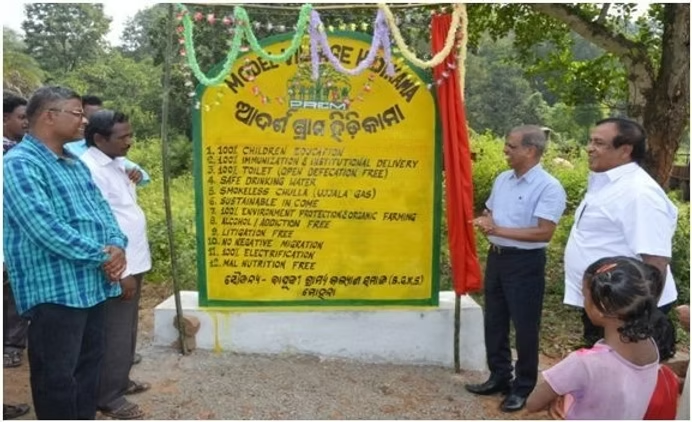
PREM extended support to the villagers of Hidikima from the very beginning of the new settlement. PREM has provided one adult education teacher and one lady health worker to this village to provide service and these two people motivated the villagers to take different development works in the village. The organisation helped them to take up horticulture activities by planting cashew, mango and banana orchards. In due course of time, the villagers not only managed a constant source of income, but with enactment of the Forest Rights Act by government could achieve ownership of 100 acres of the cultivated forest land. Thus Hidikama turned to be a village of economically high net worth individuals within three decades.
Improved lifestyle of the villagers of Hidikama attracts the attention of the neighbours in the region. All the families in the village have their own toilets which they are using regularly and they have smokeless kitchens in the houses. There are three open wells and three tube wells in the village that enables supply of safe drinking water to every household. Use of toilets makes the environment open defecation free. Practice of institutional delivery and immunization of pregnant women and children contribute towards better public health indicators.
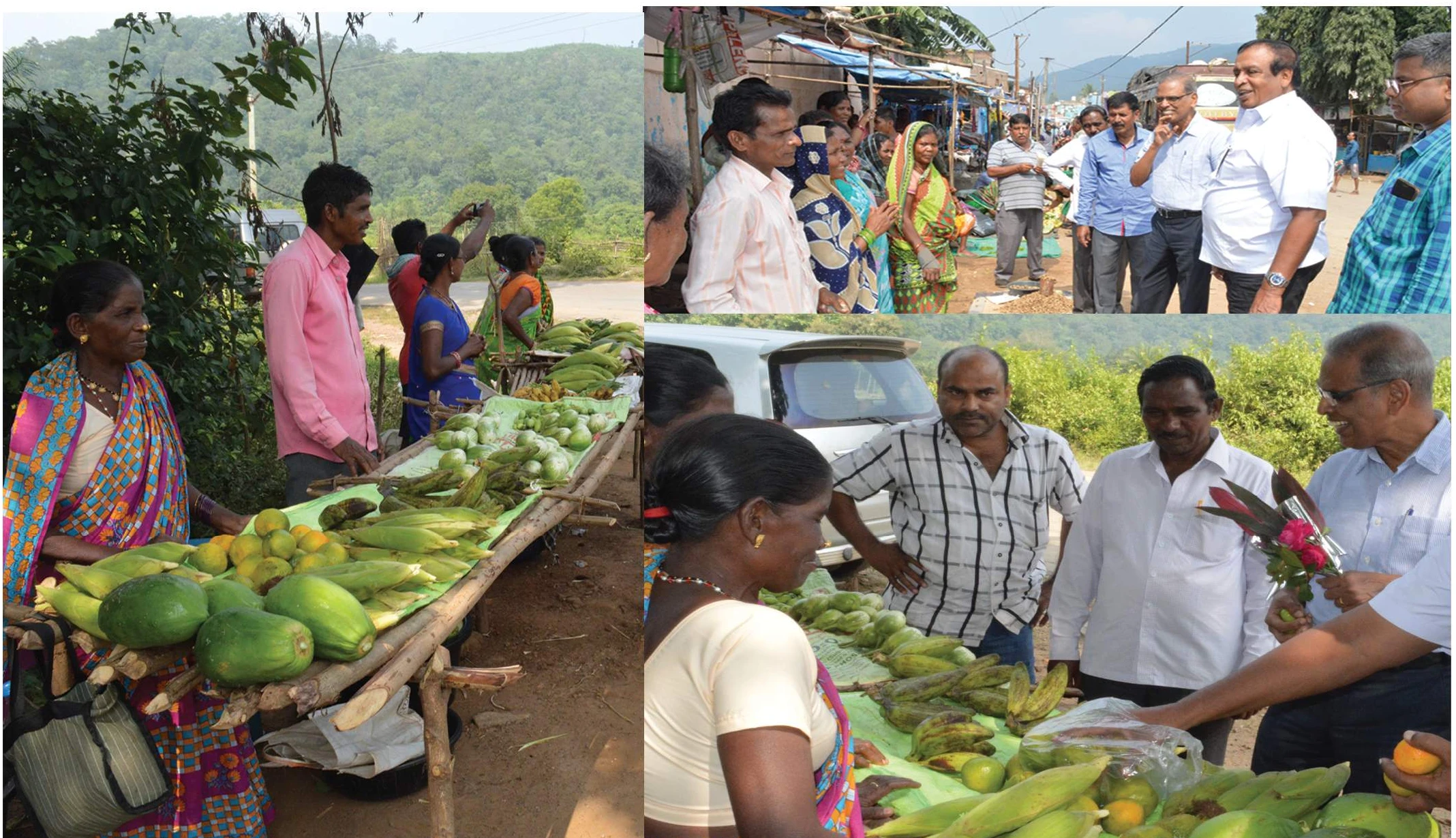
All the families of the village traditionally depend on agriculture and horticulture for livelihood. They have adopted organic farming methods. They have also started rearing goat and backyard poultry which supplements their income. One of the unique features of farming in Hidikima is the adoption of ‘Entra’ work culture, in which the entire farm labour of the village concentrate in an individual farmland at a time to make it suitable for farming or harvesting. The process helps in timely completion of agricultural activities for everyone and cost saving that ultimately contributes towards better profits.
One female member from each of the families in the village is admitted as a member of the Priyanka Self Help Group. They are encouraged to adopt business plans by the development activists who also offer household support. The SHG members have procured a leaf plate making machine and contribute labour for leaf plate making. They also market cash crops such as ginger, turmeric, tamarind, vegetable and fruits. This village also achieved 100% food security.
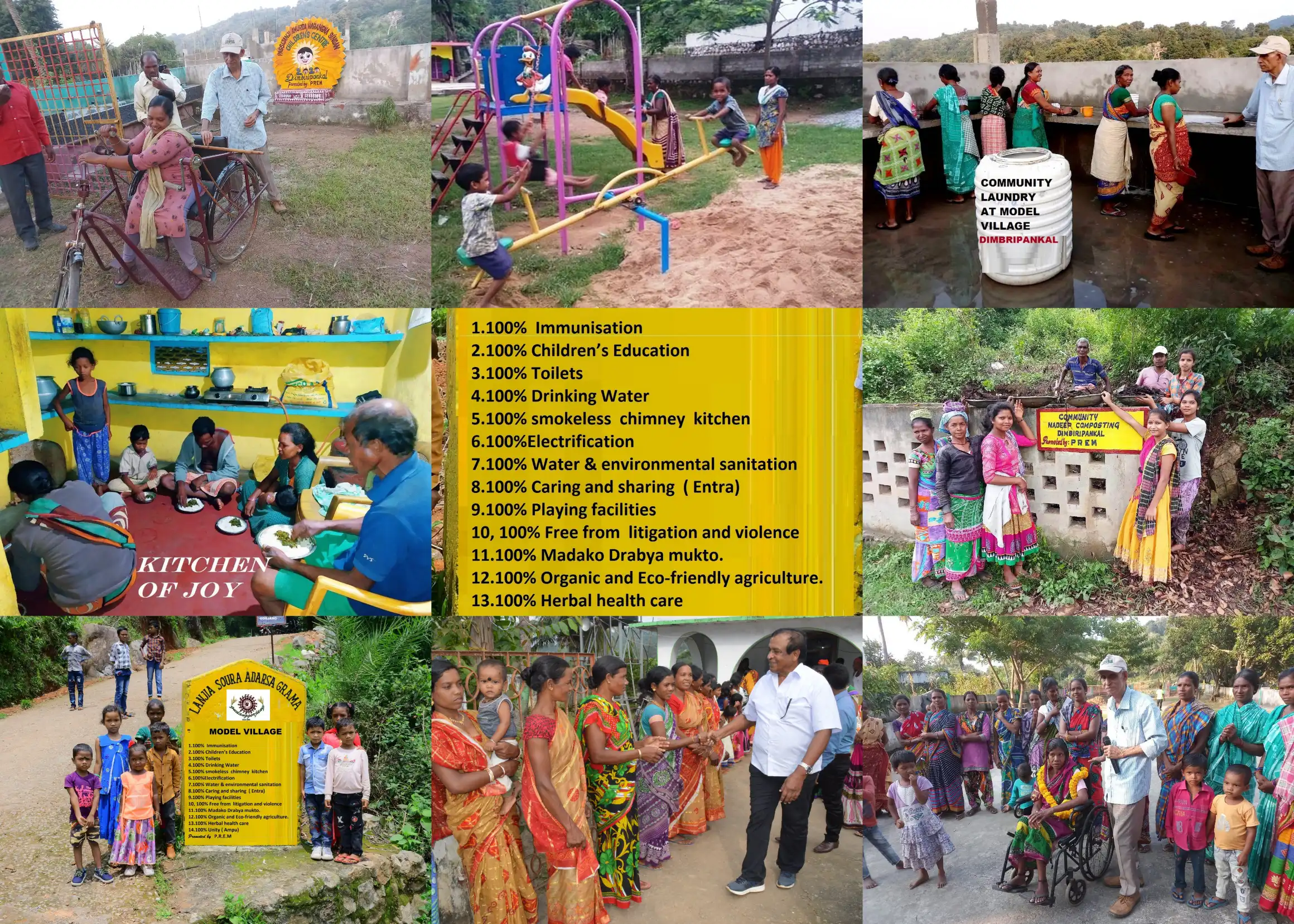
3. Case Study of Model Village Dimbiripankal, Gajapati
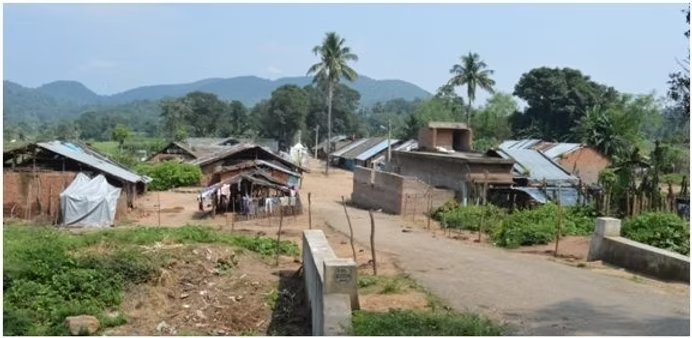
Dimbiripankal village under BadaSindhiba Gram-Panchayat of Mohana Block in Gajapati District, Odisha State, India comprises 40 indigenous families belonging to Soura Tribe. The total population is 219,which includes 118 men, 101 women and 55 children under six years.
Indigenous communities living in forests migrate to greener pastures from their habitat due to over population and scarcity of resources. Two tribal families moved from Nuagada Block to Dmibiripankal after short stays at Pengam and Paibandha villages where they faced resistance from the local inhabitants for permanent residence. Siba Nayak of Dhenkasindhiba, a leader of the locality, asked them to settle at Dimbiripankal which was a dense forest in the 1960s. They had to till a portion of the land to make it suitable for farming and build two small thatched houses for living. Similarly another two families from Nuagada Block reached Dimbiripankal via Dari Amba. A new settlement thus originated, with four families.
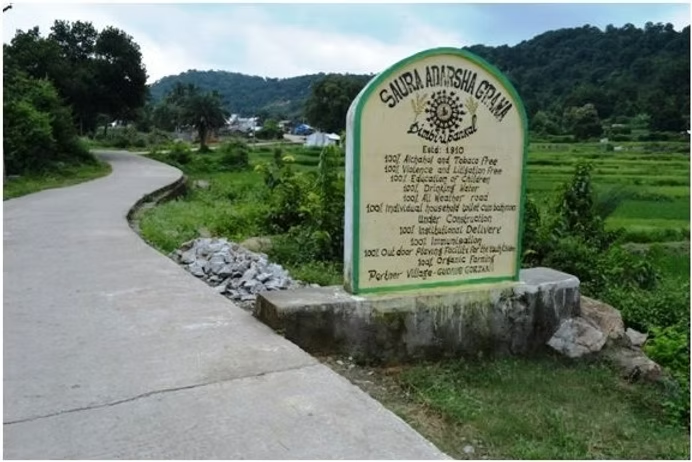
Dimbiripankal is considered a progressive village in the region. Though farming is the principal vocation of the villagers, a few of them engage themselves in masonry and carpentry during non-agriculture seasons. The villagers have created assets in horticulture and vegetable cultivation. After the intervention of a rural development organization,People’s Rural Education Movement (PREM), the villagers of Dimbiripankal took to organic farming.
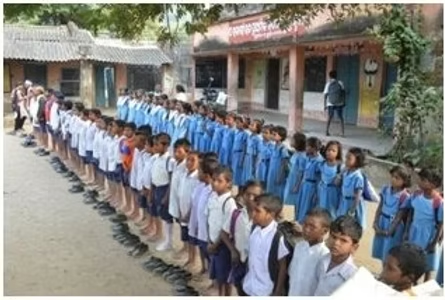
Villagers participated in adult literacy campaigns launched by PREM during the 1980s and PREM revisited the village to implement womens’ empowerment programme through business plans during 2016, under the PREMA project which was launched by Axis Bank Foundation. The inhabitants took part in various development activities to transform Dimbiripankal into a Model Village.
PREM envisaged a set of guidelines to build-up Model Villages in the tribal dominated southern districts of Odisha. The criteria include: (i) access to safe drinking water to each household, (ii) availability and use of toilet facility, (iii) coverage of all eligible children for immunization and reduction in prevalence of underweight among children up till Five years through nutrition programme. (iv) eradication of anaemia among adolescent girls, (v) admission and retention of all children in the Anganwadi Centres or schools and bridge the learning gaps, (vi) functional literacy for all adults, (vii) financial literacy, (viii) financial inclusion, (ix) access to solar lighting for all households in power deficit villages and (x) ecological security through afforestation and tree plantation at the rate of 20 trees per household.
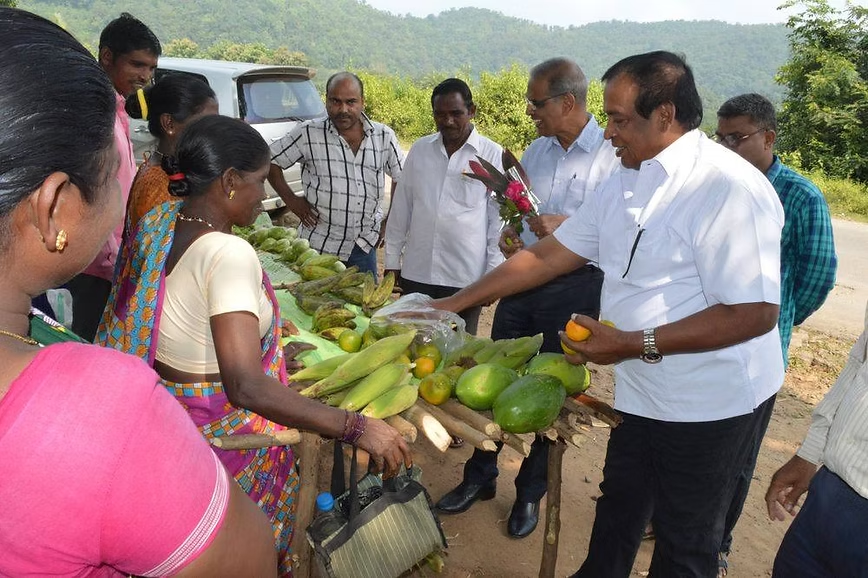
PREM’s development intervention focuses on training and offers handhold support to the village women to implement business plans such as developing kitchen garden, horticulture, collection and processing of forest produce, poultry, goatary, diary and small trades etc. The target population are organised through Self Help Groups to practice business plans both at individual or group level. The government offers various initiatives for propagation of SHG culture in the region through its Mission Shakti programme. Efforts are engineered by development activists to fully utilize the government incentives offered to SHGs by the programme population. The women of Dimbiripankal have formed Five SHGs: Eloni, Shantidata, JihobaJiri, Jyoti Development and Ablaze Youth Club groups. While JihobaJiri manages a gotary, Shantidata operates an auto-rickshaw used in local transport business at the group level.
Common resources of Dimbiripankal includes four ponds,one Chahala and three wells for water, developed with government funds. PREM supported to build a childrens’ recreation and computer training centre. While the community centre is complete, an Anganwadi centre is under construction w built through a government scheme. Four solar lights are installed and a palm candy centre operates on seasonal basis in the village. Water supply system is functional utilising siphon and solar energy techniques connecting to a nearby natural stream, developed through a government scheme.